
Taxes and Fees for Property Owners in Dubai: Full Guide for Investors (2026)
What Property Owners Really Pay in 2026
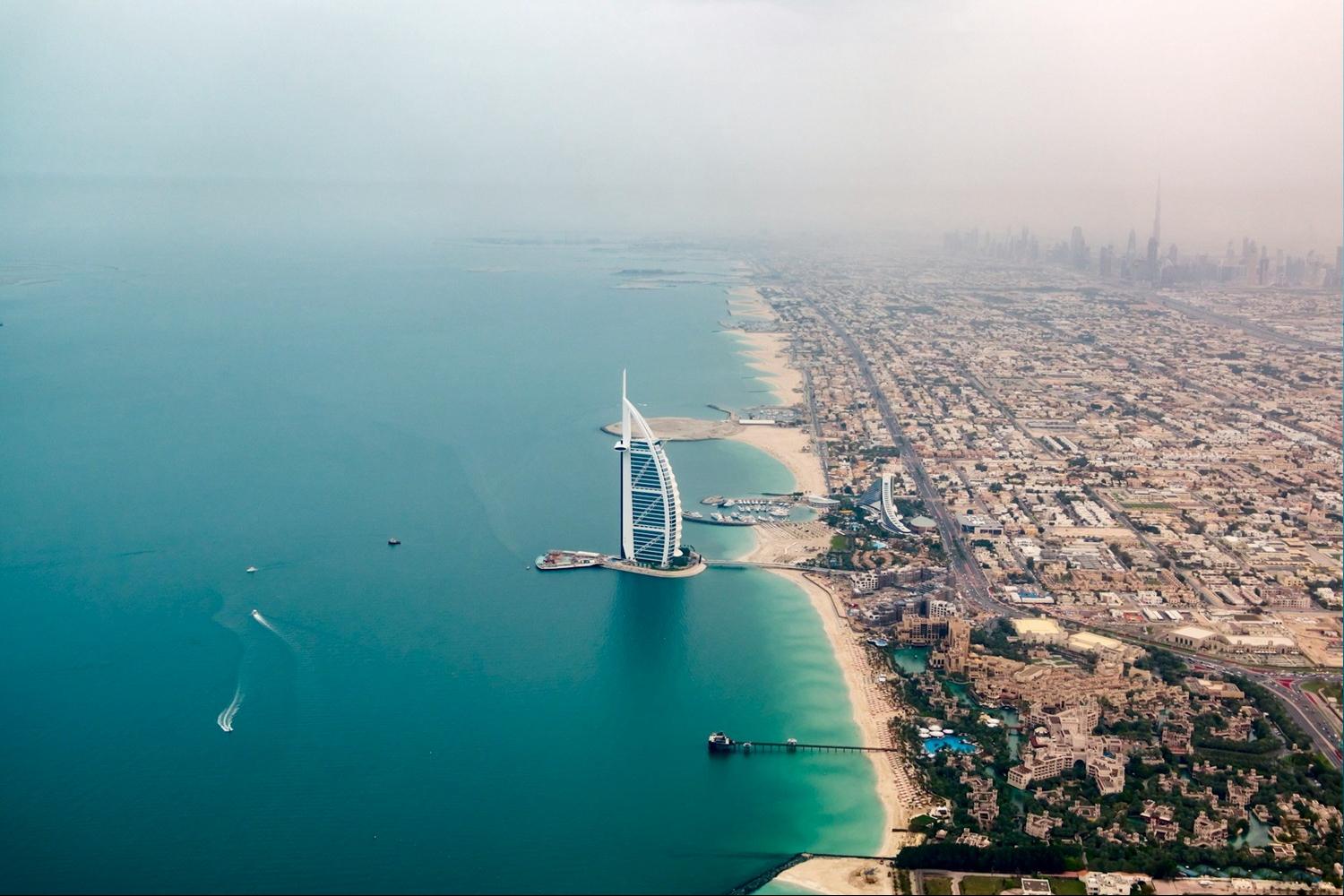
This guide breaks down all taxes, fees, and ownership-related costs that property owners and investors should consider in Dubai in 2026.
Dubai has long been considered one of the most attractive real estate markets for international investors. One of the key reasons is its tax-friendly environment: there is no annual property tax, no capital gains tax for individuals, and no inheritance tax. This applies to both residents and non-resident property owners.
However, “tax-free” does not mean “cost-free.” Property ownership in Dubai comes with mandatory government fees and recurring expenses that directly affect your real return on investment (ROI). Understanding these costs in advance helps avoid surprises and makes financial planning far more accurate.
Are There Property Taxes in Dubai?
One of the most common questions from investors is whether Dubai has a property tax similar to Europe or the US.
The short answer: no, it doesn’t.
Annual property tax: 0%
Capital gains tax (for individuals): 0%
Inheritance tax: 0%
If you own residential property as an individual and are not running a real estate business, Dubai does not tax the value of your property or the profit from selling it.
This is a major advantage compared to many Western countries, where annual property taxes and capital gains taxes can significantly reduce long-term returns.
One-Time Costs When Buying Property in Dubai
Although there are no ongoing property taxes, buyers should be aware of several upfront costs at the time of purchase.
Transfer Fee (Dubai Land Department)
When purchasing property in Dubai, a transfer fee must be paid to the Dubai Land Department (DLD).
Rate: 4% of the property value;
When paid: At the time of property registration;
Additional cost: Small administrative fee.
In practice, this fee is often negotiated between the buyer and seller, but in off-plan and new-build projects, the buyer usually pays the full 4%; in resale transactions, the cost may sometimes be split.
Registration and Documentation Fees
All property transactions must be officially registered with the Dubai Land Department. Typical cost of AED 500–1,000 covers registration, title deed issuance, and documentation.
Buyers should always confirm with the developer or agent that all registration fees are clearly stated in the contract to avoid unexpected charges.
Large transactions in Dubai, including property purchases, government fees, and tax-related payments, are typically settled via manager’s cheque rather than cash. Opening a local UAE bank account without residency is difficult.
1tab helps solve this issue: you can transfer funds in fiat or cryptocurrency, and we will issue a manager’s cheque on your behalf for real estate payments, taxes, or other major purchases in Dubai. This allows you to complete transactions smoothly and in line with local requirements. To arrange a manager’s cheque, leave a request on the Dubai exchange page.
Recurring Costs for Property Owners
While Dubai does not impose property taxes, owners should budget for ongoing operational expenses.
Service Charges (Maintenance Fees)
Service charges are annual fees paid to maintain common areas and shared facilities, such as:
security and concierge services;
elevators, lobbies, and parking areas;
pools, gyms, gardens, and building maintenance.
Typical range: AED 10–30 per square meter per year.
Premium towers, beachfront projects, and luxury communities often sit at the higher end of this range.
Always review historical service charge data. High or rapidly increasing fees can significantly reduce rental yield over time.
Rental Management Fees (If Renting Out)
If you plan to rent out your property, especially as a non-resident, you may need a property management company.
Typical fee is 5–10% of monthly rental income, and it covers tenant communication, contracts, maintenance coordination, and sometimes advertising.
When calculating ROI, these management fees should always be included in net yield calculations, not treated as optional costs.
Corporate Tax vs Personal Property Ownership
Dubai’s tax treatment depends heavily on how the property is owned.
Personal Ownership
Individuals owning property privately do not pay corporate tax. Rental income earned as a private individual is generally not subject to income tax. This structure suits buy-to-let investors with one or a few properties.
Corporate Ownership
The UAE has a 9% corporate tax on company profits exceeding AED 375,000.
Corporate tax may apply if property ownership is structured through a company and real estate activity is considered a business (e.g. large rental portfolios, development, short-term rental operations).
Free Zone Companies
Some free zone companies can still benefit from 0% corporate tax, provided they meet specific regulatory conditions.
If you plan to build a multi-property portfolio or operate short-term rentals at scale, structuring ownership through a company or free zone entity may be tax-efficient, but it requires professional planning.
VAT and Real Estate Transactions in Dubai
Value Added Tax (VAT) is another area investors should clearly understand:
residential property: generally exempt from VAT;
commercial property: 5% VAT may apply;
off-plan sales: VAT rules depend on the developer and transaction structure;
real estate agency services: may be subject to VAT.
Because VAT treatment can vary by transaction type, it’s important to confirm VAT applicability before finalizing any deal.
Taxes and Fees for Property in Dubai Overview
Upfront costs
4% DLD transfer fee,
AED 500–1,000 registration fees.
Recurring costs
Service charges: AED 10–30 per m² annually,
Rental management fees: 5–10% (if applicable).
Taxes
No annual property tax,
No capital gains tax for individuals,
Corporate tax only applies in business structures.
Dubai remains one of the most tax-efficient real estate markets in the world, especially for individual investors. At the same time, mandatory government fees, service charges, and management costs still play a meaningful role in overall profitability. A clear understanding of these expenses allows investors to calculate ROI realistically, choose the right ownership structure, and avoid unexpected costs after purchase.
FAQ
Do foreigners pay property tax in Dubai?
No. Foreigners do not pay annual property taxes or capital gains tax when owning property privately.
Is rental income taxed in Dubai?
Rental income earned by individuals is generally not taxed. Corporate tax may apply if rental activity is structured as a business.
Is Dubai still tax-free in 2026?
Yes, it is tax-free for individual property owners. Corporate tax applies only to companies meeting specific criteria.
Best Areas to Invest in Dubai Property
A Complete Guide on Investing in Dubai

Best Investment Options in the UAE
Where You Can Invest in Dubai and Other UAE Cities
How to Send Money to the UAE
Several ways to transfer money to the UAE from anywhere in the world
