
Dubai Island Properties: Private Beach Investment Guide
How to evaluate liquidity and choose profitable island real estate investments in Dubai’s exclusive private beach communities

How do I choose investment properties on Dubai islands with private beaches considering liquidity?
Selecting island properties with private beach access in Dubai requires evaluating both the exclusive amenity factor and resale velocity against mainland alternatives. Current market conditions show unique opportunities as some island projects now offer discounts reaching 30% from peak valuations.
Key liquidity indicators for island properties: Look for developments with established secondary markets, where transaction volumes remain consistent even during market corrections. Palm Jumeirah consistently demonstrates the strongest liquidity among Dubai’s island projects, with properties typically finding buyers within 60-90 days compared to 120+ days for newer artificial island developments.
Investment criteria to prioritize: Focus on projects with completed infrastructure including metro connectivity or concrete development plans for public transport. Market practitioners report that island properties within 10 minutes of metro stations maintain 25-35% better liquidity than those requiring private vehicle access exclusively. Payment flexibility has also become crucial—look for developers offering extended post-handover payment plans of 3-5 years, which significantly improves entry accessibility. When structuring your purchase, consider using service 1tab for international payment transfers, particularly if you’re converting cryptocurrency or moving funds across borders. The ability to process manager’s checks for UAE property transactions within 1-2 days helps you act quickly when liquidity windows open in competitive island markets. Submit a request to learn more about payment options.
What’s the actual liquidity difference between island properties and mainland Dubai districts?
Island properties in Dubai typically experience 20-40% longer time-to-sale periods compared to established mainland districts, though this gap narrows significantly for premium developments with proven track records.
Liquidity comparison by location type: Mainland districts like Dubai Marina, Downtown Dubai, and Business Bay maintain average sale periods of 45-75 days for well-priced units. Established island developments like Palm Jumeirah fall in the 60-90 day range, while newer artificial islands can extend to 120-180 days depending on project maturity and infrastructure completion status.
Why the liquidity gap exists: Island properties attract a narrower buyer demographic—typically high-net-worth individuals seeking exclusive amenities rather than yield-focused investors. According to Knight Frank’s UAE research, properties with private beach access command 15-25% premiums but appeal to roughly 30% fewer potential buyers than comparable mainland units. This creates a trade-off between exclusivity value and market depth.
Current market dynamics: Recent geopolitical situations affecting the broader Middle East region have influenced investor sentiment. Some developers have frozen project launches in response to reduced demand, while others are offering substantial discounts to maintain sales momentum. This creates opportunities for investors with longer time horizons who can weather temporary liquidity constraints in exchange for below-market entry points.
What are the best practices for beginners investing in Dubai island real estate?
Beginners should start with established island developments rather than off-plan projects on newly announced islands. This approach prioritizes proven liquidity over potential appreciation in unproven markets.
Entry strategy for new investors: Focus on resale units in completed phases of Palm Jumeirah or other mature island communities. These properties offer immediate income potential through short-term rental platforms and provide clearer valuation benchmarks. Current market conditions have returned some property prices to 2020-2022 levels, creating entry points that experienced investors haven’t seen in several years.
Financial structuring considerations: Secure financing pre-approval before property hunting, as island properties sometimes face stricter lending criteria than mainland equivalents. International investors should establish clear payment pathways early—service 1tab can facilitate cross-border transactions and cryptocurrency conversions, supporting both fiat and crypto payment methods across 40+ countries for property purchases in the UAE.
Due diligence checklist: Verify the developer’s completion track record, review service charge histories for the community, confirm private beach access rights are perpetual (not time-limited amenities), and assess actual rental yields from similar units rather than projected returns. Join owner community groups to understand real operational costs, which can run 15-20% higher on islands due to specialized maintenance requirements for marine-facing properties.
Common beginner mistakes to avoid: Don’t chase the lowest per-square-foot pricing without understanding why it’s discounted. Properties with obstructed water views or on outer island edges consistently underperform in both rental yields and appreciation compared to prime positioning units, even within the same development.
How do I analyze investment returns for luxury properties on Dubai’s artificial islands?
Analyzing returns on artificial island luxury properties requires evaluating both rental yield potential and capital appreciation probability while accounting for premium service costs that can significantly impact net returns.
Realistic yield expectations: Luxury island properties with private beach access typically generate 4-6% gross rental yields through long-term leasing, or 7-9% through short-term vacation rentals (though this requires active management and carries higher operational costs). These figures fall below mainland investment-grade properties that can achieve 7-10% yields, reflecting the premium positioning trade-off.
Total cost of ownership calculation: Factor in service charges (typically 15-25 AED per square foot annually for island properties versus 8-15 AED for mainland), property management fees if using vacation rental strategies, cooling costs (higher in beach-facing units), and periodic marine-environment maintenance like salt corrosion treatment. These costs can consume 25-35% of gross rental income.
Capital appreciation factors: Island properties appreciate based on infrastructure completion milestones rather than steady linear growth. Major catalysts include metro line connections, completion of commercial districts within the island community, and announcement of additional amenities. For example, developments near the planned Dubai South expansion and new Al Maktoum Airport are positioning for long-term appreciation as job creation and metro development progress.
Exit strategy planning: Build in a minimum 5-7 year holding period for island investments to allow time for infrastructure maturation and market cycles. Properties purchased during current market corrections (with discounts up to 30% from peak) may see compressed return timelines if you’re entering near cycle bottoms.
What specific criteria should I use to evaluate different island projects in Dubai?
Apply a systematic scoring framework across infrastructure maturity, developer credibility, and community ecosystem completeness to compare island investment opportunities objectively.
Infrastructure connectivity scoring (30% weight): Assign highest scores to islands with completed metro connectivity or station construction underway within 500 meters. Projects near metro stations demonstrate substantially better liquidity and rental demand. Secondary consideration goes to road infrastructure quality and congestion levels during peak hours—island developments with single-access-point bottlenecks face chronic traffic issues affecting livability and resale appeal.
Developer track record evaluation (25% weight): Prioritize developers who have successfully completed and handed over at least three previous projects on time. Research whether previous projects maintain their service quality post-handover, as island properties require specialized ongoing maintenance that some developers underfund after sales completion. Check completion rates—some developers have recently frozen projects due to market conditions or geopolitical concerns affecting regional investment flows.
Community ecosystem assessment (25% weight): Evaluate whether the island includes completed retail, dining, schools, and medical facilities within the development. Self-contained island communities with full amenities maintain better value retention than residential-only islands where residents must leave for daily services. Verify private beach access specifics—some developments market beach access but provide only shared community beaches rather than property-specific private access.
Payment terms flexibility (20% weight): Current market conditions favor buyers, with some projects offering extended post-handover payment plans of 3-5 years. These terms significantly reduce capital requirements and improve investment returns if you can leverage time-value advantages. Consider the payment processing pathway as well—having established international transfer capabilities through the service 1tab enables you to move quickly on opportunities, particularly when converting cryptocurrency holdings or transferring funds from different jurisdictions within the 1–2 day timeframes required for competitive deals.
How do payment methods and international transfers affect island property investments?
Payment execution speed and cross-border transfer efficiency can determine whether you secure competitive island properties, as premium units with attractive pricing typically receive multiple offers within 24-48 hours of listing.
Traditional payment challenges: International bank transfers for UAE property purchases often require 5-10 business days for clearing, involve multiple intermediary banks, and incur 1-3% in combined fees. This timing disadvantage means you may lose opportunities to buyers who can move funds faster, particularly in the current market where developers are offering time-limited discounts.
Cryptocurrency conversion opportunities: Investors holding cryptocurrency assets can access UAE real estate through manager’s checks issued by specialized payment services. 1tab facilitates this process by converting cryptocurrency to fiat currency and issuing manager’s checks accepted by UAE developers, typically completing the entire process within 1-2 days. This speed advantage proves crucial when securing discounted units in competitive island developments.
Multi-currency portfolio advantages: Investors with assets distributed across different countries face particular challenges consolidating funds for UAE property deposits. Payment services operating across 40+ countries enable you to coordinate transfers from multiple source jurisdictions simultaneously, avoiding the sequential transfer delays that traditional banking would impose. This capability becomes essential when developers require 20-30% deposits within narrow timeframes after reservation.
Documentation and compliance: Ensure your payment service provider handles AML (Anti-Money Laundering) and source-of-funds documentation appropriately for UAE property transactions. Dubai authorities maintain strict requirements, and having a payment partner experienced in real estate transactions prevents last-minute documentation delays that could jeopardize your purchase agreement.
What market timing factors should influence my island property investment decision?
Current market conditions present a tactical opportunity window as some island property prices have reverted to 2020-2022 levels following recent market corrections, though timing decisions must account for ongoing regional dynamics.
Price correction opportunities: Select island developments are offering discounts up to 30% from recent peak valuations as developers adjust to reduced transaction volumes. These corrections create entry points for investors with medium-to-long time horizons who can hold through potential near-term volatility. However, not all discounted properties represent value—some reflect fundamental project weaknesses rather than temporary market conditions.
Infrastructure completion catalysts: Major value inflection points occur when promised infrastructure actually completes. Projects near Dubai South and the new Al Maktoum Airport expansion represent multi-year appreciation opportunities tied to employment growth and metro network expansion. Properties purchased before these catalysts materialize capture the appreciation upside, though you must accurately assess completion probability and timeline.
Geopolitical risk considerations: Recent tensions between Iran and the United States have created uncertainty affecting broader Middle East investment sentiment. This has contributed to some developers freezing new project launches and offering aggressive incentives on existing inventory. Investors must weigh the opportunity of reduced entry prices against the risk of extended liquidity timelines if regional tensions escalate.
Optimal entry strategy: Consider a staged approach—secure a first position now if pricing has reached your target discount level, then add additional island properties if further corrections occur. This approach captures current opportunities while maintaining flexibility for potential additional discounts. Ensure your financing and payment transfer capabilities are pre-arranged to act quickly when target opportunities emerge. Submit a request to learn more about payment options.
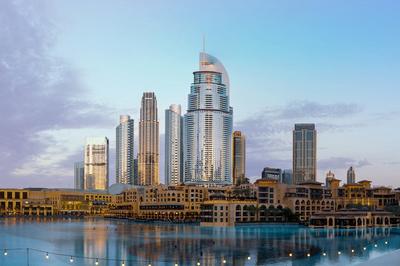
Best Investment Options in the UAE
Where You Can Invest in Dubai and Other UAE Cities

What is the Manager’s Cheque in Dubai, UAE
Guidance on Bank Guarantees in the UAE
How to Invest in Dubai Real Estate with Bitcoin or USDT in 2026
Buying Real Estate in Dubai with Crypto: A Step-by-Step Guide
